
Your placenta is an organ that you grow with your baby. It attaches itself to the wall of your uterus and keeps your baby alive and growing by filtering nutrients from what you eat and drink, passing them on to baby through the umbilical cord. It also provides oxygen to baby and filters waste from their blood.
If expecting twins, you may grow 2 placentas, or they may share one.
If your baby is born vaginally, your placenta will be born shortly afterwards by your uterus tightening and releasing to move it down and out. If baby is born abdominally by caesarean, the placenta will be lifted out just after baby is.
Please note that we are not endorsing these practices but sharing what people do with them due to personal beliefs, preferences and cultural practices. It is important that you do your research and do what feels best for you.

Encapsulating has become more and more popular over the years as more people are anecdotally reporting seeing benefits from consuming their placenta, but want to do it in a way that feels less carnivorous. To do this, you need to book a specialist in advance who will provide you with a freezer box and bag to store your placenta in. You’ll need to let your care providers know you’d like it to be put into there post birth and then let the specialist know once baby and placenta have been born. They then collect it within hours of the birth and freeze dry it, make it into powder and encapsulate it ready for your daily consumption.
A placenta tincture is made by infusing dehydrated placenta in alcohol. The preparation time is approximately six weeks. Placenta tincture may be used after the capsules are finished in times of stress, anxiety and emotional lows.

There are many options here, smoothies, familiar food recipes and even gummy bears can be on the menu!

The Living Amniotic Membrane Donation Programme operates throughout hospitals in the UK at different times. Read more about it here and to find out if your hospital is running the initiative too.
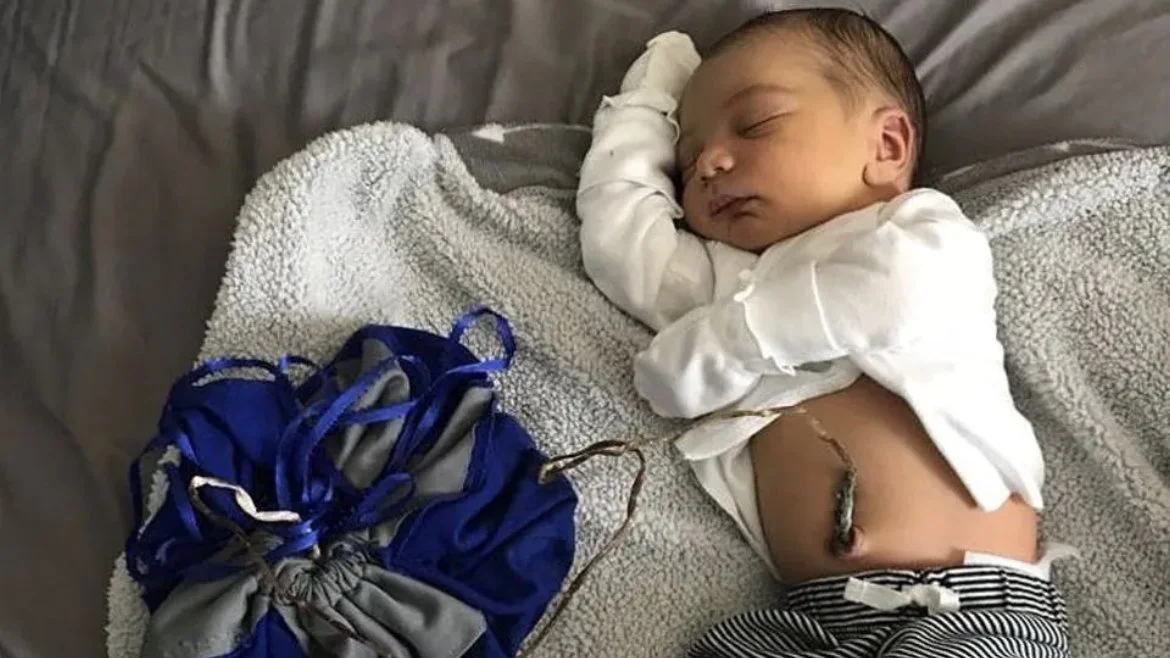
This is more commonly known as a lotus birth. The cord and placenta remain attached to baby until it separates by itself, normally 3-10 days after birth.

Seeing this amazing organ can be really incredible- it’s quite a mesmerising shape and texture! Your midwife can talk you through its composition if you would like them too. You may like to take a photo to look back on it too.
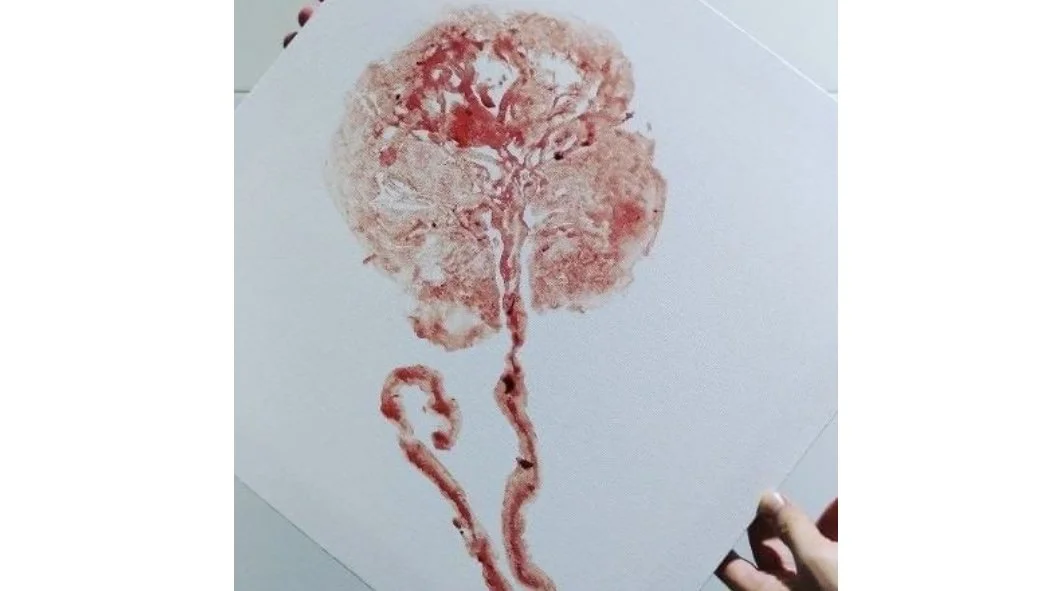
When a placenta is placed on a piece of light coloured card, the shape it prints is like a tree. This is a simple way of creating art with your placenta.

Placentas are thought to be excellent fertilisers! So planting it around half a metre deep into the ground (to avoid animals digging it up!) and planting a seedling on top is a way to use your placenta as a keepsake.

The powder made from a dehydrated placenta can be mixed with a moisturiser to blend into the most personalised of skincare products.

You may be surprised to learn that you can make jewellery out of many things, including umbilical cords and placentas!

You of course do not have to do any of the above, your placenta can be carefully disposed of by your care team if this is your preference.
Sleep & Rest in Pregnancy: Building Habits for Better Energy Throughout Your Pregnancy and Into Postnatal Recovery
Questioning your ‘why’ as a new parent returning to work, and helping you to find tools to support you along the way.
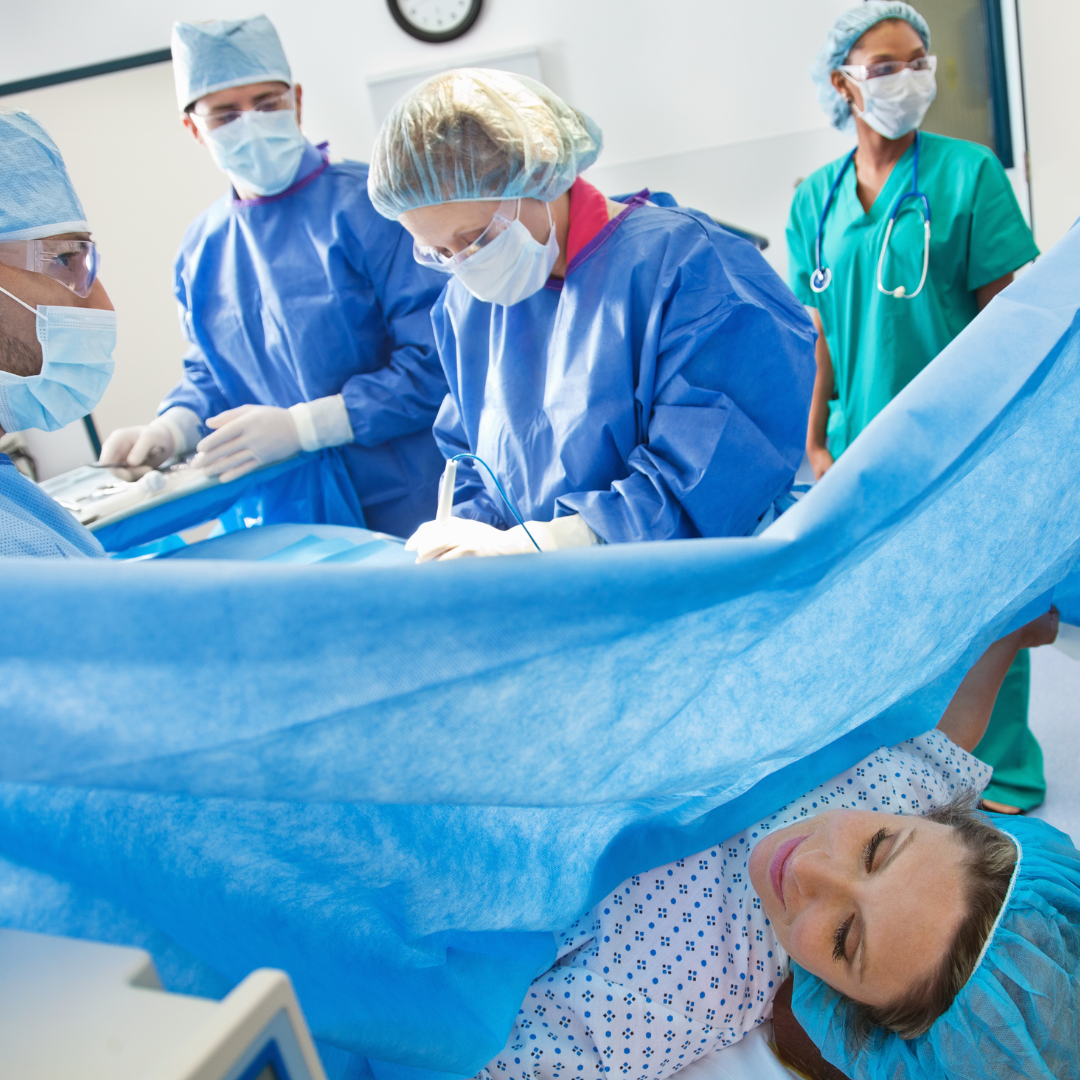
Whichever kind of birth is your preference, it's always a good idea to understand what recovering from a caesarean abdominal birth ( c-section) entails and how you can support the process.


